
Land and Rights
Acquisition, Legalisation and Disposal
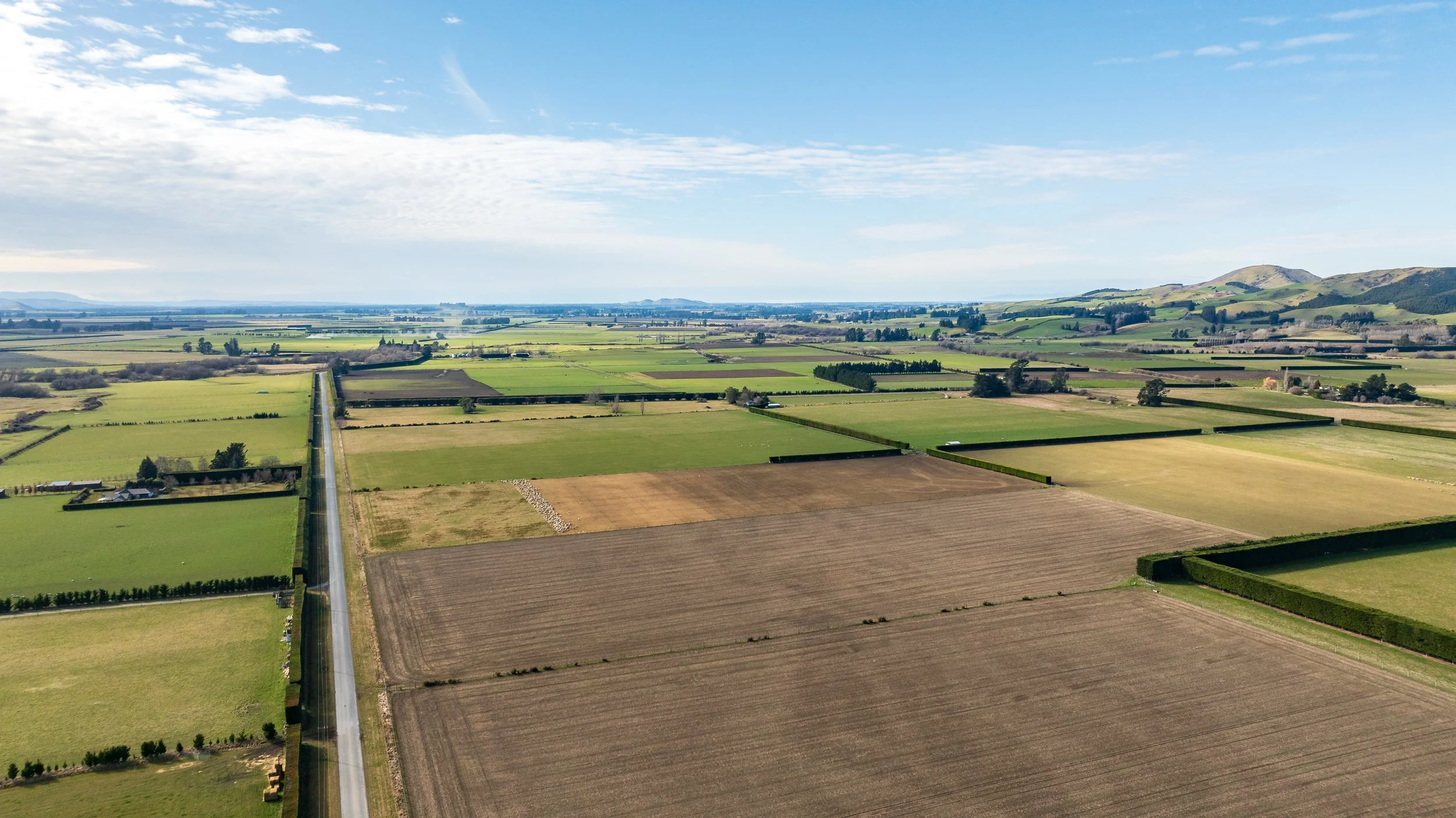
Whether you’re building roads, repairing damage, stringing cables, developing community assets or managing public land, getting the land requirement side right is critical.
We bring together the expertise needed to acquire, legalise and dispose of land for infrastructure across private, Māori and Crown land. We navigate land rights through easements, licences and temporary occupation agreements to support responsible, compliant delivery.
Who we support
Local Government (Water Services) Act 2025
Don’t let poor engagement trigger penalties or delays. Get ahead now.
Councils · Utilities · Infrastructure Agencies (Section, Draft)

Flood Protection Improvements
Facing the risk before it rises?
Let’s secure your land requirements now.
Road & Slip Repairs / Infrastructure Resilience
Want to get access sorted and keep the roads flowing long after the next event?

Category 3 Buy-Outs
Don’t wait for tragedy to force action.
Buy the risk of danger to life from landowners today.

Align’s Portfolio Optimisation Framework
Ready to return value to your ratepayers?
Discover how we support infrastructure projects at every stage.
Temporary Occupation, Easements and Rights Instruments
Easements, licences and temporary occupation agreements, everything you need, without full land acquisition.
Learn more
Disposals and Surplus Land Handling
Return or dispose of surplus land with confidence, meeting legal and cultural obligations.
Learn more
Legalisation and Title / Rights Registration
Formalise land ownership and rights, through titles, easements and official registration.
Learn more
Legal and Regulatory Framework
New Zealand’s land rights system can be complex. Here are the main statutes and regulatory regimes that commonly apply to acquisition, legalisation and disposal for public works, transport, utilities or development projects, and what they mean for you.
-
The Public Works Act 1981 empowers the Crown and, in many cases, local authorities or authorised requiring-authorities, to acquire land required for public works. “Public works” may include infrastructure such as roads, bridges, public transport corridors, water supply, community facilities, utilities, rail, schools, etc.
Acquisition can be by agreement (negotiated purchase) or, where necessary, compulsory acquisition under the PWA.
Where land is taken, the Act imposes obligations to properly compensate landowners, including land value, disturbance, legal and valuation costs.
Recent reform efforts aim to streamline the PWA, notably for “critical-infrastructure” projects, to speed up delivery while maintaining owner protections.
Also, when land or interest is no longer required, there are provisions for disposal, surplus land may be offered back to former owners or otherwise disposed of under statutory rules.
-
Where land is Māori-owned (freehold, customary or otherwise under Māori land classification), the process differs considerably. The Act recognises that land is a taonga tuku iho and gives special weight to retaining whenua in the hands of whānau, hapū and iwi.
Any “alienation” (sale, transfer, lease, granting of rights, or other interest) in Māori freehold land must comply strictly with the Act, including giving first right of refusal to preferred classes (iwi/hapū/whānau), requiring orders from the Māori Land Court, and honouring tikanga and communal ownership structures.
Practically this means: before acquiring land or granting rights over Māori land, careful due diligence is required to confirm status; you must engage with the relevant whānau/hapū/iwi; and proceedings must often be heard in the Māori Land Court (for vesting orders, status changes, easements, covenants, etc.).
This applies equally when the land is to be used for public works, utilities, infrastructure or disposal. The protections for Māori land remain, even when acquisition is via public-works legislation.
-
When a project involves land classified as public reserve, conservation reserve, open-space, heritage land or similar, additional statutory obligations apply. The Reserves Act 1977 governs acquisition, control, management, maintenance, use, disposal and reclassification of reserves.
Projects impacting reserves or conservation land require compliance not only with acquisition law, but also with environmental, heritage, public-access and long-term stewardship obligations.
-
Land acquisition under PWA (or other legislation) does not remove the need to consider other regulatory regimes. Depending on the project, you may need: resource-planning consents or designations; environmental impact assessments; iwi / cultural / heritage consultation; reserve or conservation law compliance; public-space and open-space planning; and coordination with other agencies (e.g. conservation, heritage, environment, local councils). We provide these services, too.
Why Work With Us - What We Bring to the Table
We combine deep statutory-knowledge with on-the-ground experience across sectors, from local government and transport to utilities, iwi partnerships and reserve/heritage projects.
· We know the law: PWA, Māori land law, reserve/conservation law and how they intersect on real projects.
· We can steer acquisition & disposal strategy to minimise delays, ensure compliance, and respect all stakeholders (private owners, Crown, iwi/hapū, communities, conservation bodies).
· We handle complexity: multiple land statuses, mixed tenure, easements/licences, post-project disposal or repurposing, so you don’t have to.
· We provide end-to-end service: strategic advice → due diligence & status checks → negotiations & valuations → legalisation & registration → stakeholder & iwi engagement → disposal or future-use planning.
· We deliver clarity; one integrated view across sectors so transport, utilities, councils or iwi-led projects all get the right advice, from planning through long-term stewardship.
Let’s deliver your next project with certainty
Whether you’re planning infrastructure, navigating approvals or delivering complex projects, our team is here to help.